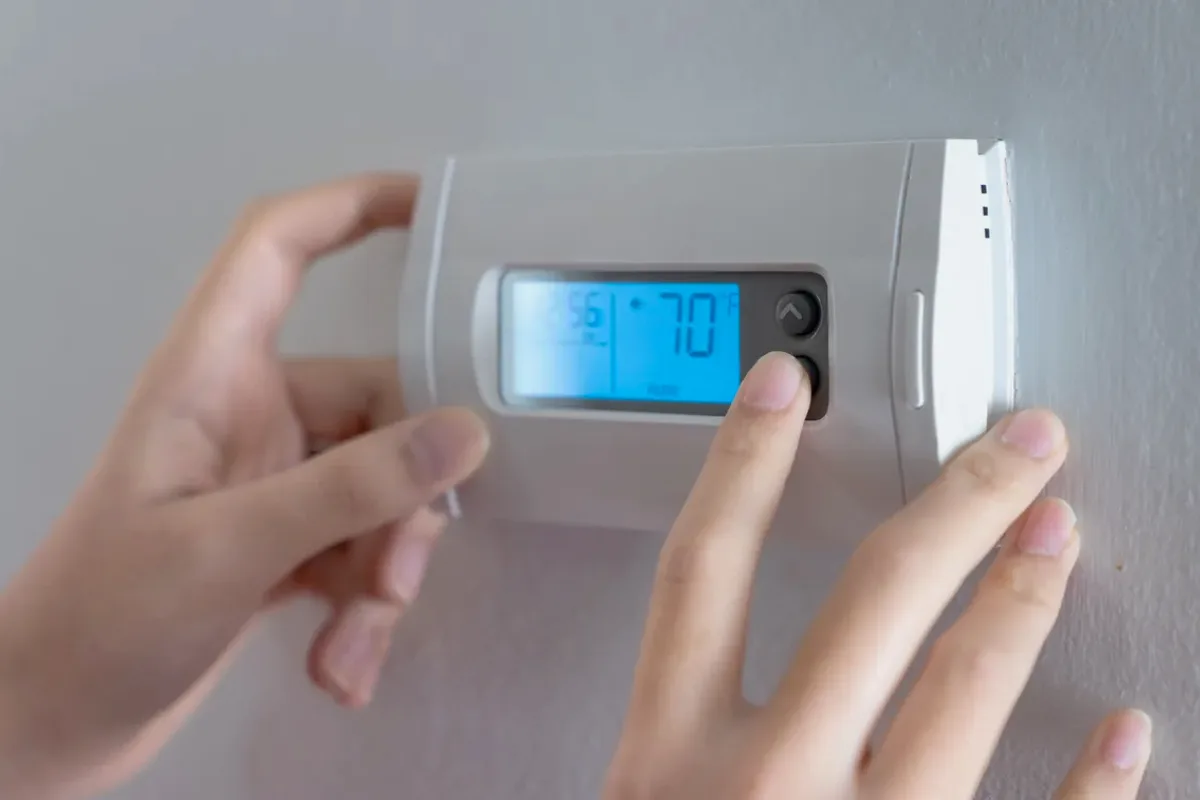
Request thermostat repair & replacement for a property in Whitby. Include the equipment, the problem or planned work, and your location so the request can be reviewed.
How can you determine whether a thermostat needs repair, relocation, or replacement?
A thermostat problem can come from the device, its placement, wiring, or incompatibility with the heating and cooling equipment it controls. The request can note whether the display is blank, the shown temperature seems inaccurate, or the system cycles unexpectedly. Assessment compares thermostat settings and operation with the HVAC system's control requirements. If replacement is considered, wiring, supported stages, and any heat-pump or accessory controls must be checked before choosing a programmable or smart model.
Record the thermostat model, display behavior, system type, and the conditions under which the temperature reading or cycling seems wrong. A qualified assessment may inspect placement, configuration, wiring, and system response against manufacturer documentation. This helps separate a repairable connection or setup issue from a sensor problem, unsuitable location, or device that cannot control the equipment's required stages.
Thermostat location, temperature sensing, and room conditions.
Wiring and compatibility with heating, cooling, and heat-pump controls.
Repair, calibration, relocation, and programmable or smart replacement choices.
Assessment and Scope
Questions for the Proposed Work
01
Check placement before treating a reading as a device fault
Direct sunlight, a nearby cold window, or air from a supply vent can make a thermostat sense conditions that do not represent the occupied space. The location and the temperature pattern across the room help determine whether relocation or another corrective approach is appropriate. A persistent inaccurate reading after placement and configuration are checked may instead indicate a device problem. The distinction matters because replacing a thermostat alone may not correct a poor location.
02
Verify wiring and compatibility with the HVAC system
Thermostats differ in required conductors, supported heating and cooling stages, and compatibility with heat pumps or other controls. A blank display or interrupted operation may involve wiring or power as well as the thermostat itself. These are electrical control matters for qualified assessment, not occupant repair. Comparing the existing connections and equipment specifications with a proposed model helps avoid selecting a thermostat that cannot operate the system as intended.
03
Choose repair or replacement based on tested operation
A configuration issue, loose connection, or correctable placement problem may not require a new thermostat. Replacement is more relevant when the device remains inaccurate or unreliable after appropriate checks, or when it cannot support the system's required stages and controls. Programmable and smart features should be considered only after compatibility is confirmed. The assessment should distinguish a thermostat fault from a problem elsewhere in the heating or cooling equipment.
Compare the next step
Review the existing schedule and sensed temperatures before linking a bill change to thermostat hardware. Ask which supported settings or control features would change equipment operation. Compare the proposed routine with household occupancy and the installed heating strategy; a new app does not establish that the prior equipment was wasting energy.
Thermostat wiring is not universal. Do not connect wires by colour alone or work on energized wiring; a compatible control must be configured for the equipment it serves.