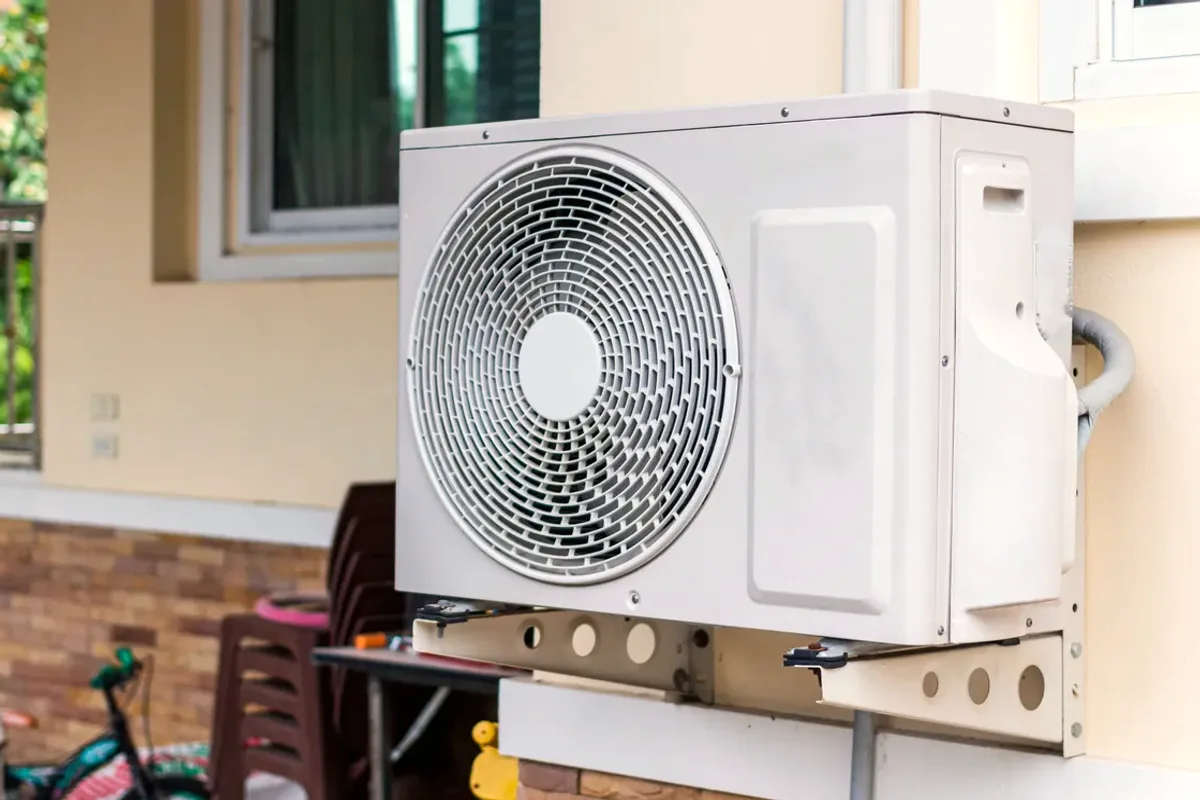
Request heat pump repair & installation for a property in Whitby. Include the equipment, the problem or planned work, and your location so the request can be reviewed.
How can you tell whether a heat pump needs a repair assessment or a replacement assessment?
Heat-pump service may involve a repair to existing equipment or an assessment for installation, and those are different scopes. A request can describe whether heating, cooling, or both are affected, along with any displayed code and changes in airflow or outdoor-unit operation. Inspection may consider sensors, defrost controls, electrical components, coils, drainage, and refrigerant-circuit evidence. For installation, the property's heating and cooling loads, distribution, electrical capacity, and equipment compatibility guide system selection.
Record the model, operating mode, fault display, and whether the issue occurs during heating, cooling, or a defrost cycle. A qualified assessment can compare sensor and control operation with manufacturer data and inspect airflow, coils, drainage, and refrigerant-circuit performance. For replacement, existing distribution, electrical supply, and the home's heating requirements must also be evaluated before equipment is selected.
Heat-pump sensors, defrost controls, electrical faults, and refrigerant-circuit diagnosis.
Airflow, condensate paths, coil condition, and defrost-cycle assessment.
Repair-versus-replacement decisions and heat-pump installation requirements.
Assessment and Scope
Questions for the Proposed Work
01
Trace heating and cooling symptoms to their cause
Uneven output, unusual noise, or failure to operate may involve a sensor, defrost board, electrical component, airflow restriction, or refrigerant-circuit problem. The operating mode and timing of the symptom help narrow the possibilities; for example, a concern during defrost calls for different checks than a startup failure. Measurements and equipment-specific diagnostic information help establish the fault before a repair is proposed.
02
Assess airflow and defrost operation before replacing parts
Restricted airflow can affect coil operation, while blocked condensate drainage can interfere with equipment operation. Outdoor-coil frost needs assessment in the context of the model's defrost cycle rather than an assumption that all frost indicates failure. Filters, indoor airflow, sensors, and control signals provide useful evidence. Maintenance should follow manufacturer instructions and inspection findings, not an automatic cleaning or service schedule.
03
Treat repair and new installation as separate decisions
A localized electrical or control fault may be repairable if the remaining equipment is serviceable. Repeated faults, major component condition, parts availability, and system age can inform a separate replacement comparison, but no single repair count decides it. New installation requires a load assessment and review of ducts or other distribution, electrical capacity, and control compatibility. These checks help ensure the proposed heat pump suits the property's actual heating and cooling needs.
Compare the next step
Ask how the projected operating costs divide duty between the heat pump and supplementary heat. Compare those assumptions with actual fuel and electricity use and planned envelope changes. Require the selected equipment and control strategy to be identified rather than interpret a high efficiency rating as a household savings promise.
Cold-climate capability does not prove that one model covers every home heating load. Ask how the selected equipment and supplementary heat meet the actual design requirements.