What should be checked when a furnace stops heating or begins operating differently?
A furnace that will not start, produces uneven heat, or makes an unfamiliar sound needs diagnosis tied to its fuel, design, and observed operation. The service request can identify the furnace type, any displayed fault code, and when the symptom occurs. During assessment, readings and inspection findings help distinguish an ignition or control fault from restricted airflow, a condensate problem, or a safety concern. Repair, maintenance, and replacement are separate decisions based on the condition and age of the equipment.
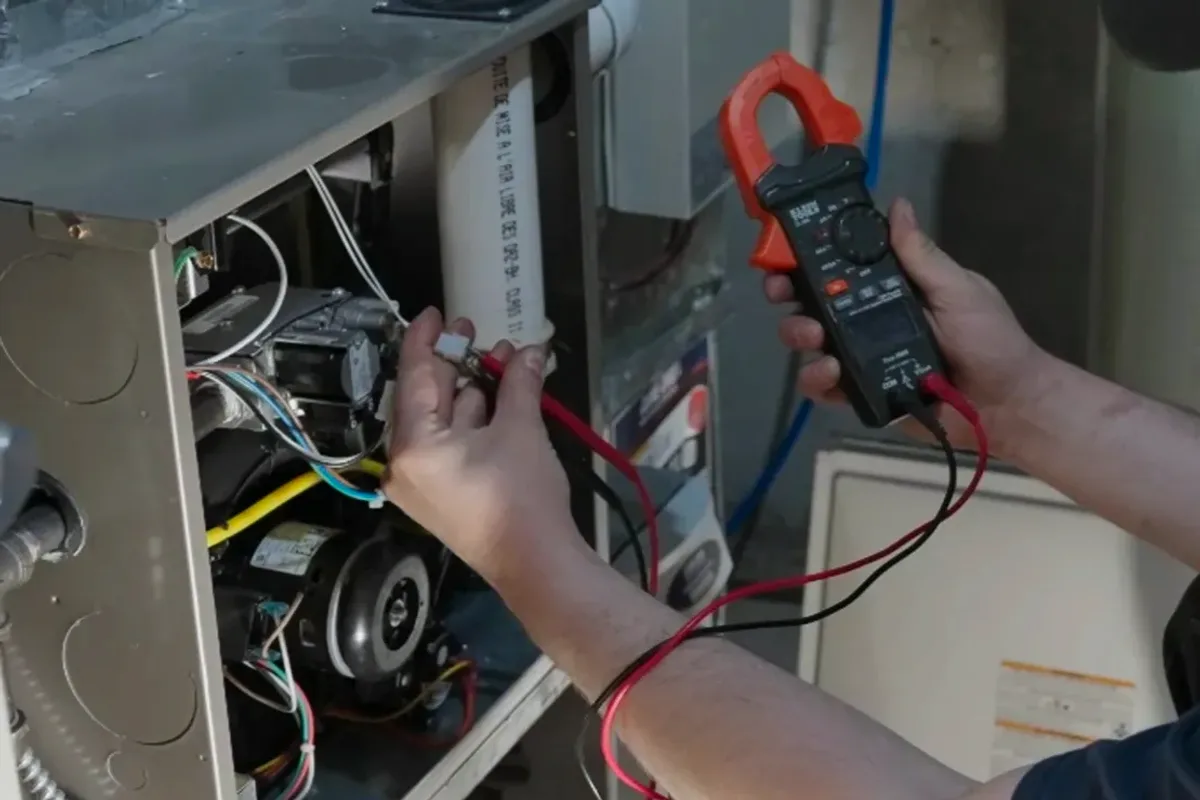
Record the furnace make and model, fuel type, fault codes, and whether the problem affects startup, sustained operation, or airflow. A qualified assessment may compare electrical and pressure readings with manufacturer specifications and inspect filters, blower components, drains, and combustion-related parts. These observations help locate the fault without assuming that a symptom identifies a failed component.
Instrument readings and fault codes for furnace diagnosis.
Airflow, filters, blower condition, and condensing-furnace drainage.
Fuel and furnace design, heat-exchanger safety, and repair-versus-replacement decisions.
Assessment and Scope
Questions for the Proposed Work
01
Use diagnostic readings to identify the fault
A no-start condition can arise from ignition, flame-sensing, control, or power problems, while a furnace that starts and then stops may point to a different fault. Measurements from suitable instruments, combined with the control's stored codes and the model documentation, help separate these possibilities. Because readings relate to specific operating conditions, a component should not be condemned solely because the furnace is producing little or no heat.
02
Separate airflow and drainage issues from combustion faults
A loaded filter, obstructed blower, or duct restriction can reduce airflow and contribute to limit trips or uneven heating. On a condensing furnace, a blocked condensate path can also interrupt operation. Inspection findings and, where appropriate, pressure measurements help determine whether the problem is in the furnace or the air-distribution system. Filter replacement or other maintenance should follow the equipment instructions and the condition found.
03
Compare repair with replacement using safety findings
Repair may suit a localized ignition, sensor, or circulator-related control fault when the furnace remains safe and serviceable. A confirmed crack or other heat-exchanger damage changes the decision because it involves combustion separation and may make continued operation unsafe. The furnace's age, parts availability, fuel type, and repair scope also matter. A replacement assessment should match equipment and venting requirements rather than assume every home needs the same furnace.
Compare the next step
Compare actual fuel consumption over a relevant period and list changes to weather exposure, schedules, or occupancy. Ask which service findings could explain increased runtime and what evidence supports a repair. Any replacement savings estimate should state its assumptions instead of treat a higher total bill as proof of furnace failure.
Leave burner, fuel, venting, electrical, and internal equipment work to a qualified contractor. Do not bypass a safety switch or repeatedly reset a furnace.